Ethnic Rhinoplasty
Ethnic rhinoplasty is a specialized form of nose surgery tailored to meet the unique facial characteristics and aesthetic desires of individuals from diverse backgrounds. Unlike traditional rhinoplasty, which often aims for a standard appearance, ethnic rhinoplasty strives to enhance a person's natural beauty while respecting their cultural identity. This approach is increasingly sought after as people desire procedures that reflect their heritage.
What makes ethnic rhinoplasty different is that it recognizes the diverse shapes, sizes, and features of noses across various ethnic groups. Surgeons who perform this type of surgery not only have expertise in technical skills but also a strong understanding of the cultural significance of certain nasal features. This ensures that the results are harmonious and enhance the individual's overall appearance.
Why Choose Ethnic Rhinoplasty?
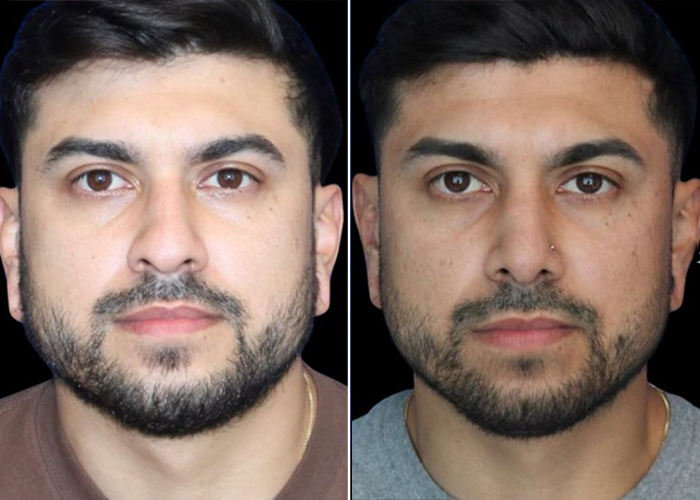
There are several reasons individuals might consider ethnic rhinoplasty. Many seek to address functional issues, such as breathing difficulties, while others may want to enhance their nose for aesthetic reasons. This could include reshaping the tip, narrowing the bridge, or correcting asymmetries.
Importantly, a significant part of the decision-making process involves a desire for a result that feels natural. Patients often wish for a surgical outcome that complements their ethnic features rather than alters them significantly. As a result, consultations with experienced surgeons are crucial to establish expectations and desired outcomes.
- Enhancing facial harmony
- Correcting structural deformities
- Improving breathing function
The Consultation Process
The consultation is a vital step in the ethnic rhinoplasty journey. During this meeting, your surgeon will discuss your medical history, aesthetic goals, and assess your facial features. They may also use digital imaging to demonstrate potential outcomes, which helps in visualizing the changes you desire.
Moreover, it is essential to communicate openly about your expectations and any specific cultural aspects that are important to you. This dialogue ensures that the surgeon fully understands your vision for the procedure. Remember, taking the time to explore your options can lead to a more satisfactory result.
- Discuss your medical history
- Share your aesthetic goals
- Consider digital imaging results
Techniques Used in Ethnic Rhinoplasty
Several techniques can be employed in ethnic rhinoplasty, and the choice often depends on the individual's unique nose structure. One common technique is open rhinoplasty, where a small incision is made on the columella, allowing for greater access to nasal structures. This is particularly useful for detailed reshaping.
Alternatively, closed rhinoplasty involves incisions made inside the nostrils. This technique minimizes visible scarring and is often preferred for less extensive changes. Regardless of the method chosen, the focus remains on achieving a natural-looking result that respects the patient’s ethnic background.
Recovery and Results
Post-surgery recovery is a crucial aspect of the ethnic rhinoplasty experience. Initially, patients may experience swelling and bruising, which typically subsides after a week or two. It's important to follow your surgeon's aftercare instructions closely, as this can impact the healing process.
Results can take time to fully manifest. While some changes may be noticeable shortly after surgery, final results could take up to a year to fully reveal. Patience is essential, as the body adjusts and swelling diminishes. Remember, maintaining realistic expectations is key to enjoying the outcome of your surgery.
Choosing the Right Surgeon
Selecting a qualified surgeon for ethnic rhinoplasty is essential to achieving the best results. Look for a surgeon with a strong portfolio of ethnic rhinoplasty cases and positive patient reviews. Additionally, they should be board-certified and specialize in facial procedures.
During consultations, don't hesitate to ask questions about their experience, approach, and techniques. A good surgeon will be transparent, making you feel at ease and confident in your choice. This relationship is crucial, as trust plays a significant role in any surgical procedure.
- Check qualifications and certifications
- Review before-and-after photos
- Ask for patient testimonials
Conclusion
In summary, ethnic rhinoplasty is an artful procedure designed to enhance a person’s natural beauty while respecting their unique ethnic features. With the right surgeon and a clear understanding of your goals, you can achieve a harmonious and satisfying result. This journey requires careful consideration, so take the time to research and select the best approach for your needs.
Remember, whether it's for aesthetic or functional reasons, the essence of ethnic rhinoplasty lies in celebrating and enhancing your individuality!
FAQs about Ethnic Rhinoplasty
- What is ethnic rhinoplasty? Ethnic rhinoplasty is a specialized form of nose surgery designed to enhance a person's natural beauty while respecting their cultural identity, focusing on the unique facial characteristics of individuals from diverse backgrounds.
- Why might someone choose ethnic rhinoplasty? Individuals may seek ethnic rhinoplasty to address functional issues, such as breathing difficulties, or for aesthetic reasons like reshaping the tip or correcting asymmetries, while ensuring the results feel natural.
- What should I expect during the consultation process? During the consultation, the surgeon will discuss your medical history, aesthetic goals, and assess your facial features, often using digital imaging to visualize potential outcomes.
- What techniques are commonly used in ethnic rhinoplasty? Common techniques include open rhinoplasty, which allows for detailed reshaping through a small external incision, and closed rhinoplasty, which involves incisions made inside the nostrils to minimize visible scarring.
- What is the recovery process like after ethnic rhinoplasty? Patients may experience swelling and bruising initially, which typically subsides after a week or two, and it’s important to follow the surgeon’s aftercare instructions for optimal healing.
- How long does it take to see the final results of ethnic rhinoplasty? While some changes may be noticeable shortly after surgery, final results can take up to a year to fully reveal as the body adjusts and swelling diminishes.
- How do I choose the right surgeon for ethnic rhinoplasty? Look for a qualified surgeon with a strong portfolio of ethnic rhinoplasty cases, positive patient reviews, and ensure they are board-certified and specialize in facial procedures.
Follow Us
Tumblr
|
Weebly
|
Twitter
|
Gravatar
|
Disqus
|
Youtube
|
About.Me
|
Google Sites
Comments
Post a Comment